
When the new Astra came out, I happily switched to it. I was working on PZ Director, and one particularly stubborn task finally started moving. The work was more careful, the decisions were better, and I spent less time watching an agent go in circles. It felt great.
Then I looked at my weekly limit.
Astra was burning through it at a rate I couldn’t keep up with. I liked the results. I just wanted to keep working for the rest of the week, too.
Three models, three jobs
I ended up splitting the work like this:
- Sol, with medium reasoning, leads development. It follows the roadmap, picks the next task, writes most of the code, and brings the pieces together.
- Luna runs the tests and checks the results. It gets a prepared set of checks, clear success criteria, and a specific thing to report back on.
- Astra steps in for the difficult parts. A feature that needs careful thought, an architecture decision, or a problem the other agent keeps hitting. After two serious failed attempts at the same problem, it’s time to bring Astra in.
Astra still matters a lot. I’m just more deliberate about where I use it. Sometimes a short consultation is enough. Sometimes it makes more sense to hand it the whole difficult piece and let Sol integrate the result.
The handoff matters
“Go test this” turns out to be a pretty bad task description. Luna needs to know which version to check, what to run, what a pass looks like, and when to stop and bring a problem back. Sol prepares that package while doing the implementation.
That is especially useful in PZ Director. Code passing a local check is one thing; an NPC actually eating, sleeping, and surviving a save and reload in the game is another. I want the report to tell me which of those really happened.
There is also only one test game. Two agents trying to control it at once won’t make it run twice as fast. One owns the game session; the others can work on code or inspect completed results. Repetitive waiting and polling go into scripts.
It took some work to make these boundaries clear. Just opening a bunch of agents and hoping they would sort it out wasn’t enough.
A trade I’m happy with
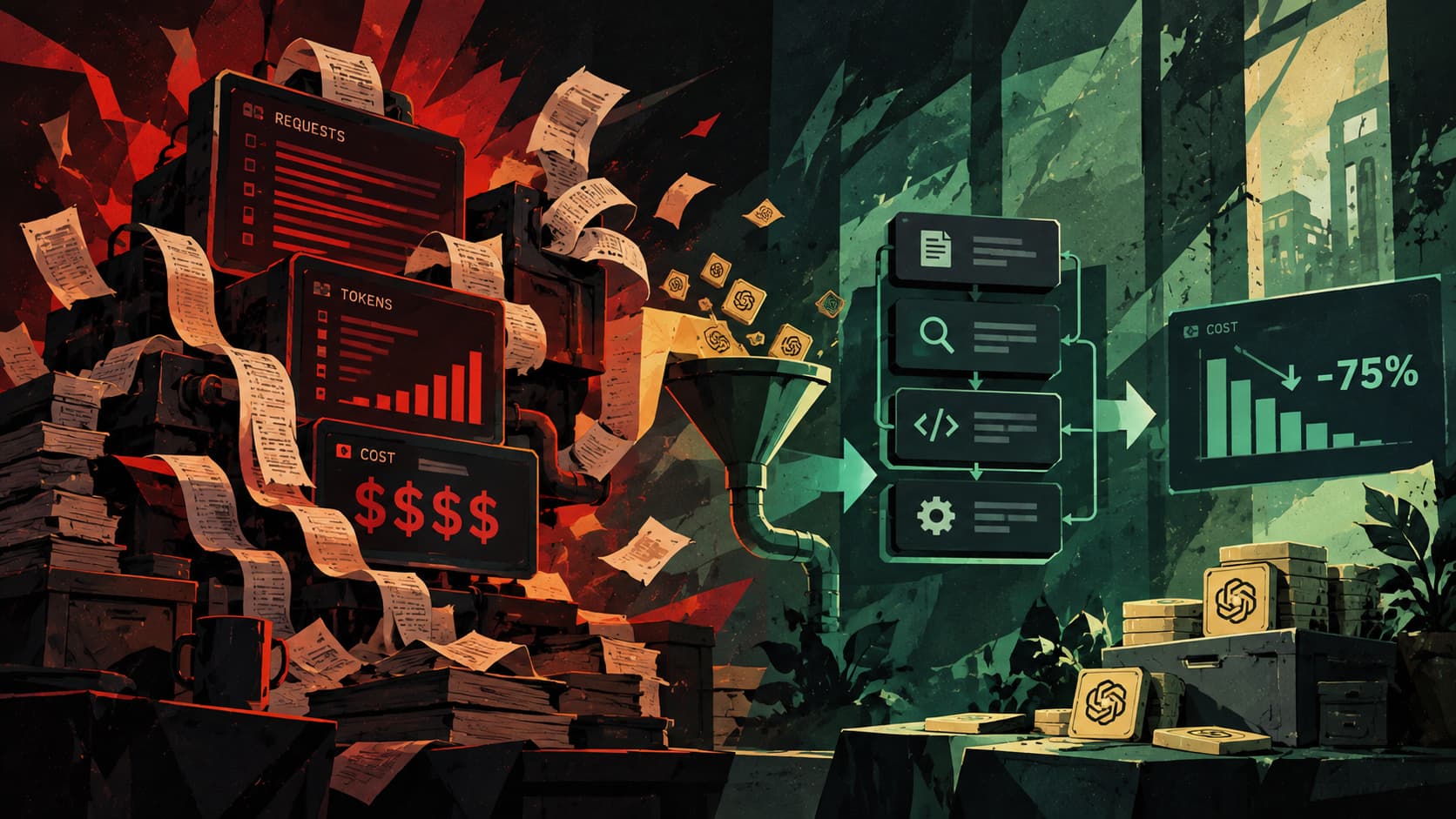
My rough estimate: about a quarter of the weekly-limit usage, at the cost of around 30% of the development speed. Those are my impressions from working on the project, not a controlled benchmark or a claim about API prices.
I do notice the slowdown. There are handoffs, and sometimes Sol needs another attempt where Astra would have found the answer sooner. But the limit lasts much longer, and I can keep going. For me, that is a good trade.
Two years is a long time now
The bigger change still surprises me. My way of building software has changed completely over the last two years. Work that used to take me and a team of five about three months is now the kind of thing I can build on my own in a week.
I still have to decide what is worth building, recognise when something is wrong, and actually try what the agents produce. But the distance between an idea and something I can use has become so much shorter.
And just as I get comfortable with one way of working, the next model arrives and I find myself changing it again. It reminds me of the Red Queen in Through the Looking-Glass:
“Now, here, you see, it takes all the running you can do, to keep in the same place. If you want to get somewhere else, you must run at least twice as fast as that!”
That line feels very familiar these days.